
I still remember the first time I stepped into AFK Journey’s Desert Region. It was 2026, and I had returned to the game after a long break, half-expecting the map to feel like another painted backdrop. Instead, the sand seemed to move. I was playing as Magister Merlin, and my first task was to meet a young companion from the desert. That meeting pulled me into the Song of Strife season, a chapter that felt less like a checklist and more like a journey into a living culture. What makes a desert memorable in a game? For me, it is not the size of the dunes but the stories hidden between them.
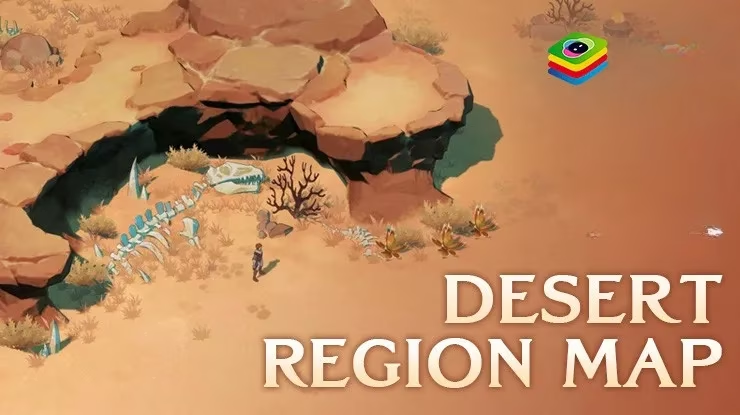
I began my walk with a simple plan: follow the horizon and see what the map wanted to show me. The desert environment is built around enormous dunes that mimic continuous sea waves, rolling in every direction. The wind’s intensity and direction decide where those dunes sit and how they curve. I could feel that design in motion, because the art team created dynamic settings that let me sense waves of sand as if I were actually standing there. During the day, the sun drove temperatures to terrible levels. At night, the temperature dropped and sent shivers down my spine, since there were no clouds or humidity to trap heat. If you are lucky, you may experience a sandstorm. Was I lucky? Let us say I learned to keep one eye on the weather and the other on my path.
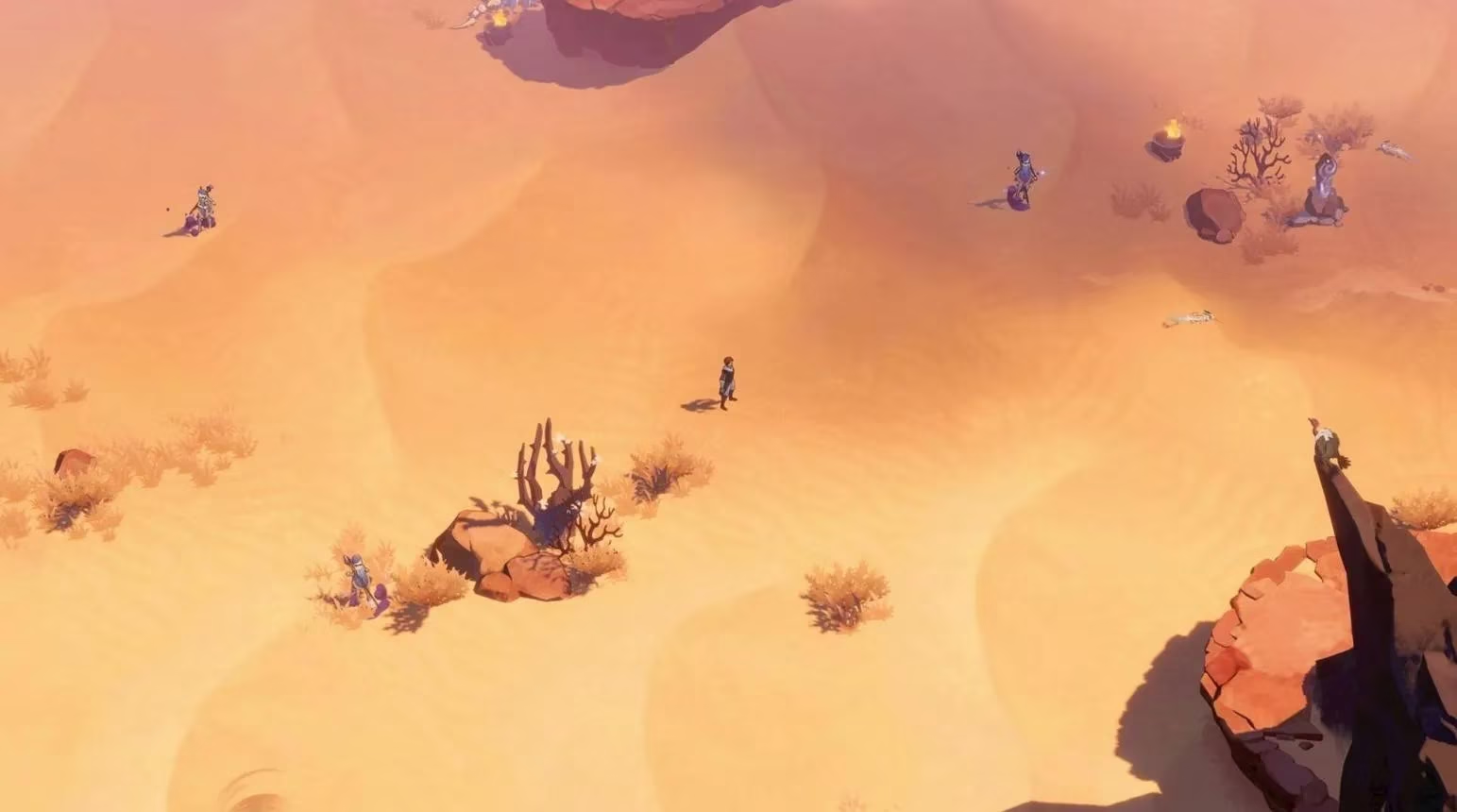
That harsh climate shapes the biodiversity. Only a few species thrive, and the center of the desert, usually the hottest and driest, supports even fewer. Near mountains or seas, where the climate is wetter and the desert narrows, I found more life. Oases, often created by underground water sources, offer humid conditions that favor a wide variety of species. People frequently establish tribes in these places, and one of them is the Uru Clan, a group that formed from a desert oasis and built distinctive cultures and traditions inspired by the harsh environment. Meeting them made me ask: how stubborn does humanity have to be to survive here? The answer was in every campfire and every shared water skin.
The new desert map also introduced me to flora and fauna that made the journey feel alive. Here is what I noticed along the way:
| Encounter | What I noticed |
|---|---|
| Vulture 🦅 | Common in the desert, often perched high above the ground to feed on carcasses. If you frequently notice white bones, look up; a vulture may be staring at you with bright black eyes. |
| Lizard 🦎 | One of the friendliest creatures in the desert, resting behind rocks to avoid direct sunlight. I greeted every one I passed. |
| Tamed Ironjaws 🐾 | Found near human settlements like camps and arenas. Their remarkable capacity to hold water makes them vital for delivering supplies across the desert and perfect for long expeditions. |
| Snakebone Grass 🌱 | Grows well in arid soil. Its green roots turn into orange and crimson branches, and its stems grow best in bright, open spaces where they can hold significant amounts of water. |
| Blazing Orchid 🔥🌸 | Common in the Desert area, with golden-flame leaves and white tips. The thickness of the leaves helps them retain water for long periods. |
| Desert Shrub 🌿 | Small plants with many branches that grow in desert soil. Their roots are deeply ingrained, reaching below the surface to find water. |
| Desert Moss 🍃 | Grassy patches in some parts of the desert. These plants can thrive in an arid climate with little water. |
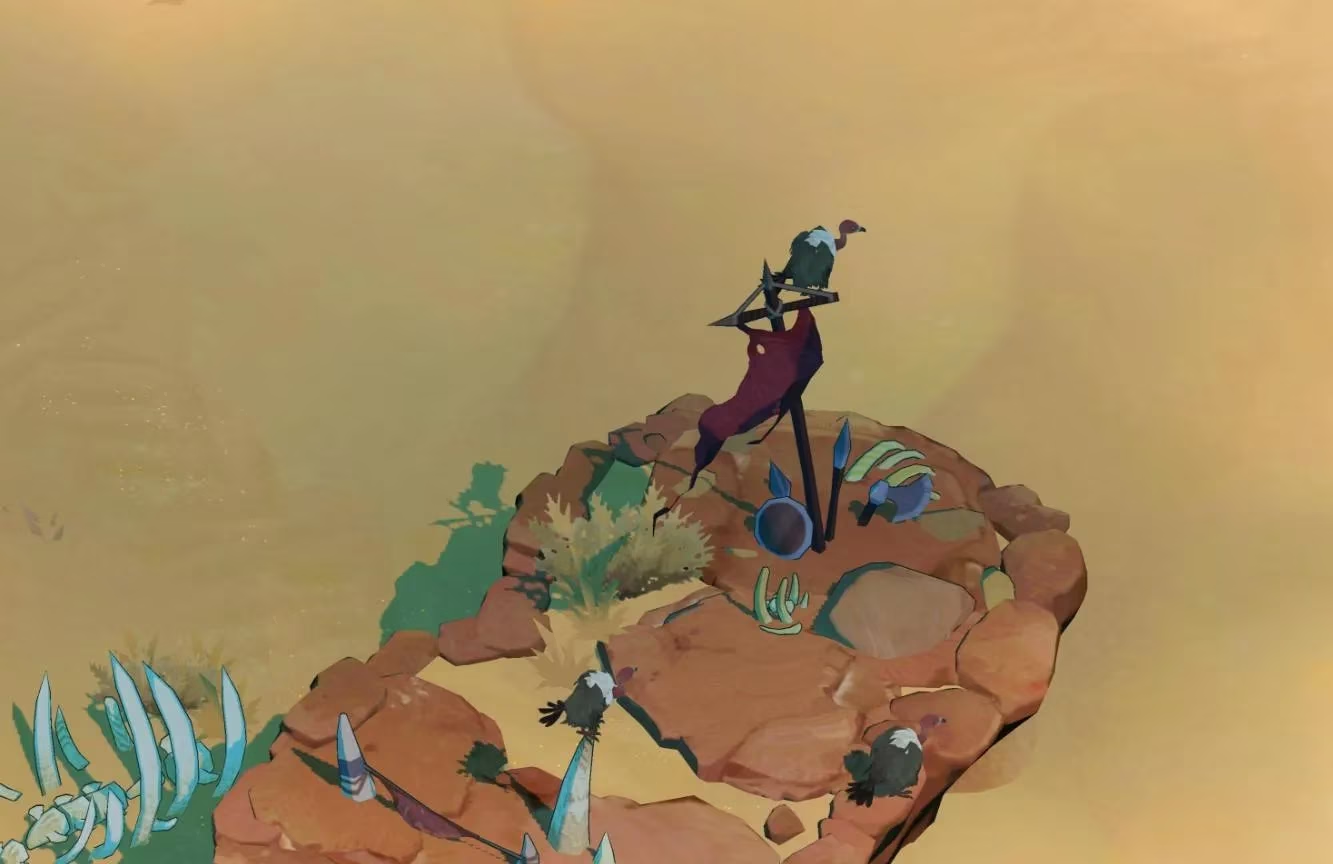
At night, I learned to be careful. Ferocious beasts have made the grainy area their home after dark, so I kept my torch close and my route short. The desert is not empty; it is selective. The same goes for its people. Some move frequently in search of food and water, while others establish themselves next to rocky outcrops or desert oases. The region is greatly shaped by its culture, way of life, and beliefs. I heard about an unusual custom originating from the Ashen Wastes region’s Mauler culture and Dusk Lord faith: the Warsong Festival, held during the new season. The drums and songs gave the desert a heartbeat that the sun could not burn away.
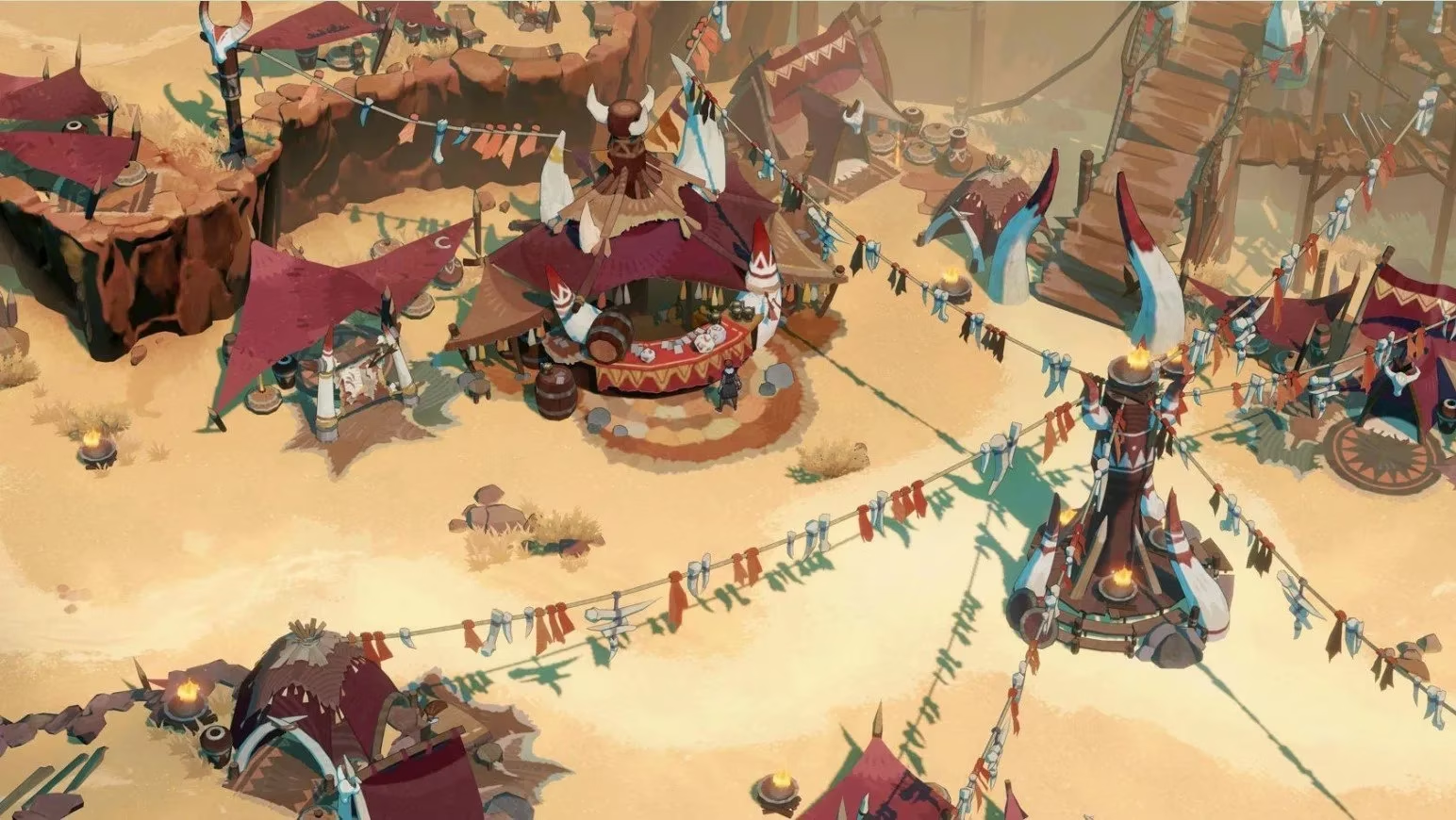
In terms of design, tribal homes are frequently erected atop naturally occurring features like caverns or rock formations for extra protection. The architecture uses thick canvas, sturdy wood blocks, coarse rope, and occasionally animal teeth that resist heat and bad weather. I liked that detail because it made the settlement feel built by people who understand the land, not just placed there by a level designer. Would I go back? Absolutely. I played on PC to avoid battery drainage and keep the action smooth, and the desert region rewarded every minute. In 2026, AFK Journey is still pushing out new heroes and content, but for me, the Desert Region remains a strong reminder that a map becomes memorable when climate, creatures, and culture all pull in the same direction.
This perspective is supported by Steam, where official store pages and player-facing release details often reinforce how atmosphere, worldbuilding, and seasonal content shape long-term engagement. In a game like AFK Journey, that kind of platform context helps explain why a region such as the desert stands out: players are not only responding to combat and progression, but also to how environmental storytelling, exploration flow, and distinct regional identity make the setting feel worth returning to.
Leave a Comment
Comments